Seawater passes through Jeju's rock layers and enters the ground. The water naturally filtered along that path is called lava seawater. We use this water to make our salt. It has taken a different path from water drawn directly from the sea.
We spray concentrated lava seawater like a mist. As the moisture evaporates, salt crystals form. This is the salt-making stage of our production process. From preparing the water to filling the containers, our salt goes through six stages.
When concentrated lava seawater is sprayed into a fine mist, only the moisture evaporates from the droplets, leaving minerals behind. This is the stage we call salt formation.
Salt may bring grains or powder to mind, but there is also a method for making it in liquid form. That is the liquid salt production method we patented in October 2025. Here we explain the patent and the uses of liquid salt.
Our factory is in Gujwa-eup. Instead of drawing water from the sea, we make salt from water pumped from underground. We call that water lava seawater.
The label at the bottom of the salt container reads ‘눈결 소금’. This is the trademark printed on the packaging of the 200g lava seawater mineral salt we make.
Some people dissolve our salt in water to drink. The instructions we give here are for powdered salt. For those looking for the liquid form, we also explain where that name appears.
Turn the salt package over and you will find smaller print than the name on the front: the ingredients, origin and food category. Even for salt, taste and quality vary greatly depending on where and under what conditions it was made.
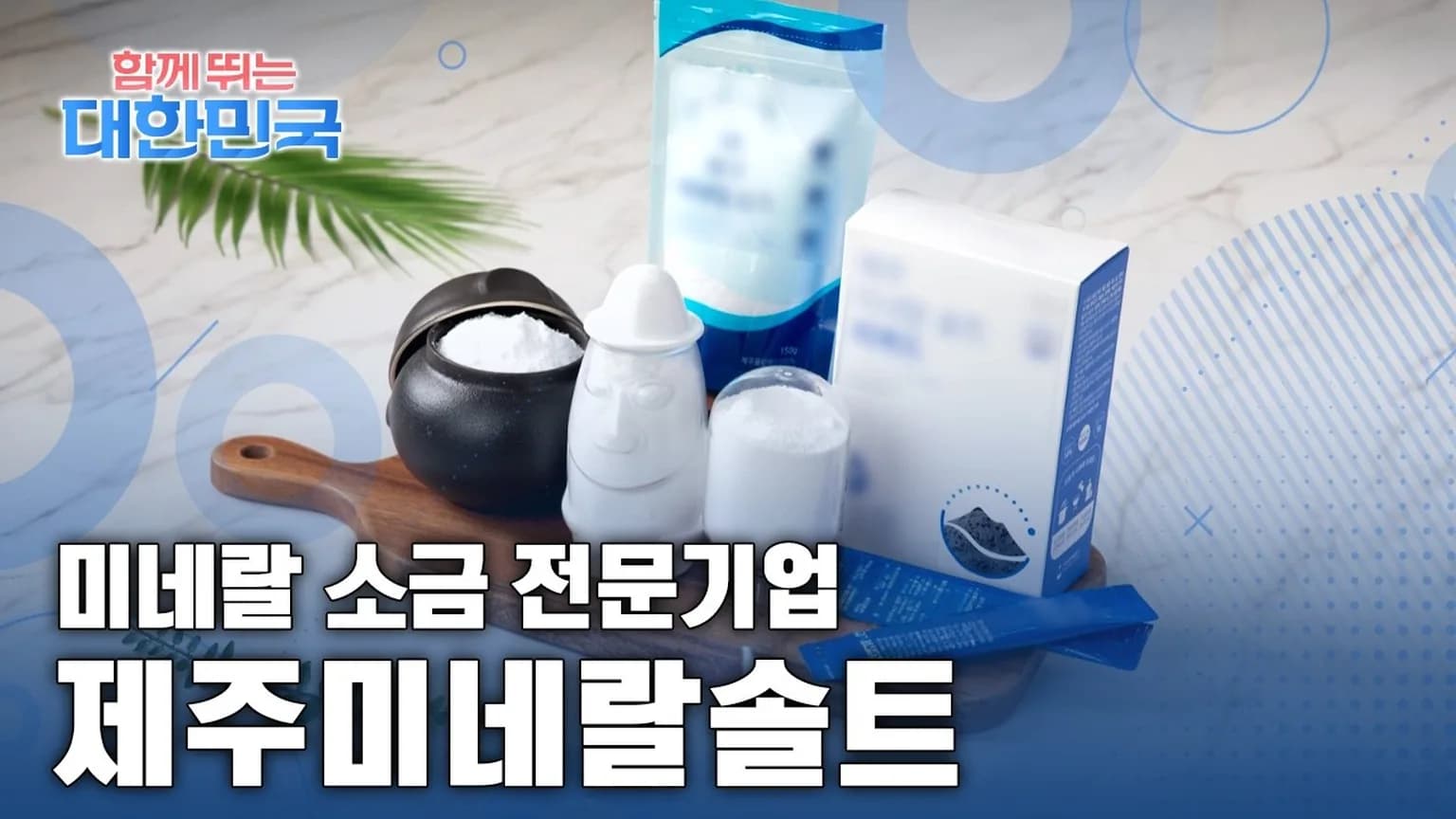
Our salt comes in a 200g container product and a 150g pouch. They may look like two sizes differing only in quantity, but they are different products with different containers, packaging and name markings. Here are their labels side by side to help you choose the form you need.
On the back of salt packaging is a small table bringing together information from the product name to the consumer service phone number. Here is what each field contains.
A name you saw before may no longer appear on the current page. Multiple product names can also make the same items look different. Here we explain what we currently make and the information we need when you ask us to check a product.
Jeju Mineral Salt was featured on YTN Science's program 「함께 뛰는 대한민국」. You can watch the broadcast in the official YouTube video.
Our salt description says “lava seawater,” while the ingredient introduction uses “saline groundwater.” This may sound as though we use different water. When describing our ingredient, we write the two together as “saline groundwater (lava seawater).” We are not describing a change of ingredient for the same product.
As seawater passes through basalt over a long period, some things are filtered out and others remain. The lava seawater we use to make salt is such water. Here is what we can currently tell you about what it contains.
Our salt can also be used in industries that need raw material stability and consistent taste. Applications extend to food and beverages, cosmetics and everyday products.
Water that starts in the sea passes through Jeju’s basalt layers and enters the ground. Our salt begins with this water. Instead of using seawater directly, we use 100% naturally filtered saline groundwater (lava seawater) as our raw material.
When making a powder to mix with water and drink, you also need to choose the salt used as an ingredient. The first thing we explain to people asking about our raw material is where the water comes from. Instead of using seawater directly, we use 100% saline groundwater (lava seawater), naturally filtered through Jeju’s basalt layers. The ingredient declaration for our powdered salt reads “제주용암해수 100%” (100% Jeju lava seawater).
What is patented when salt is described as “patented”? The patents we introduce concern equipment and methods for making salt. We do not use the term to mean that the effects of eating the product, or its taste, have been certified.
Say “눈결소금” (Nungyeol Sogeum) aloud. In 2024-10, this name printed on our salt packaging was selected for the Korean Intellectual Property Office’s “우리말 우수 상표” award, which recognizes trademark names that make good use of the Korean language. The recognition is for the name, not for the salt’s composition.
In salt descriptions, certificates and test reports often appear alongside patent numbers. They may all look like product documents, but they answer different questions. Our documents likewise concern manufacturing technology, names, company and process management, or test results.
The ingredient field for Nungyeol Salt reads “제주용암해수 100%” (100% Jeju lava seawater). The origin is “국내산(제주도),” meaning produced in Korea (Jeju Island).
Our company history lists nine patents: seven in Korea and one each in Japan and China. All concern methods and equipment for making salt.
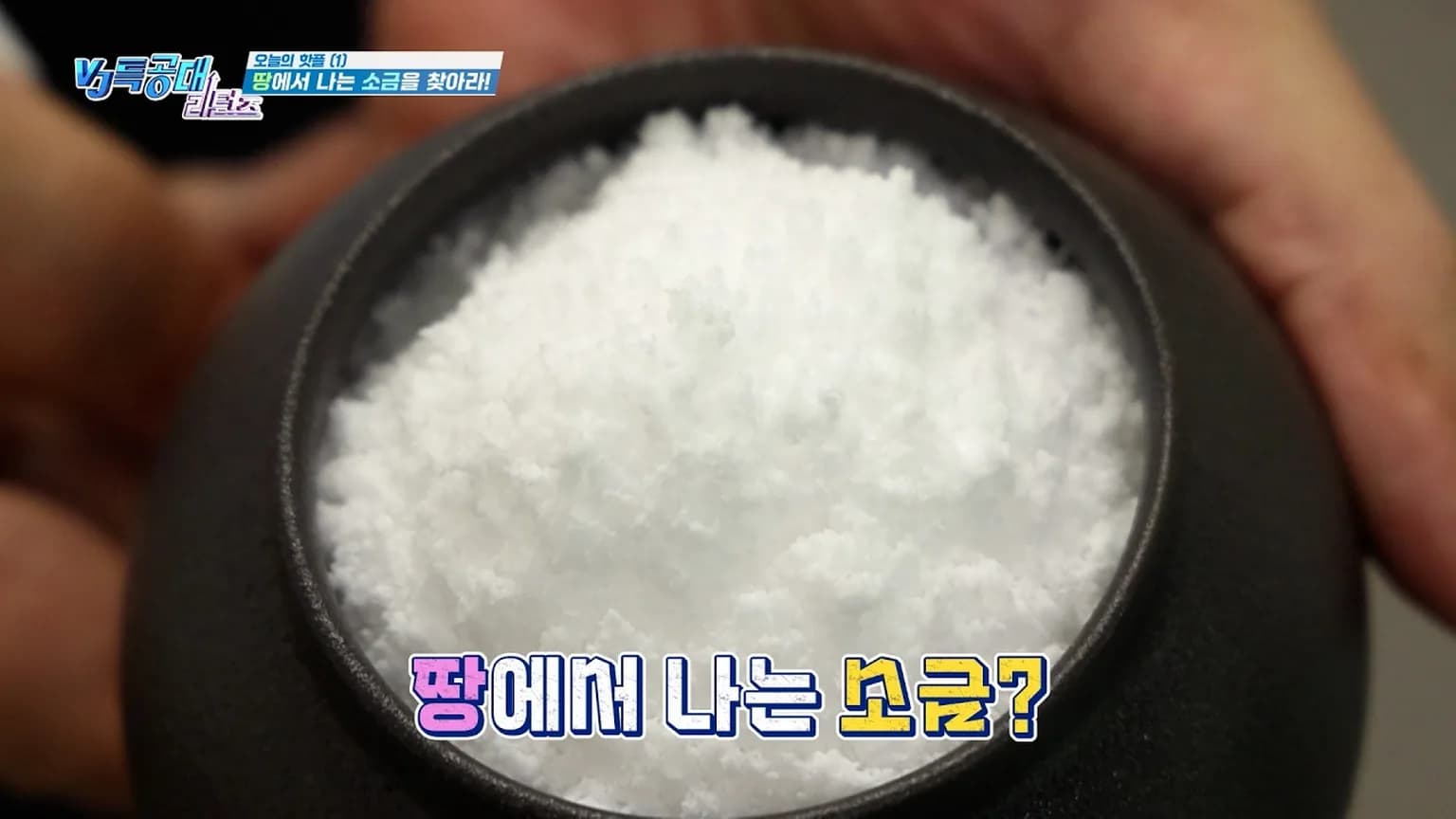
Jeju Mineral Salt was featured in the ‘Today’s Hot Place’ segment of KBS LIFE’s “VJ Special Forces Returns”, episode 32. The episode aired on Saturday, October 10, 2026, at 6:40 p.m. Korean time, and our CEO, Kim Jin-ho, appeared on the program.