Products·Written 2026-08-23
When choosing Jeju salt, start with the back label
Turn the salt package over and you will find smaller print than the name on the front: the ingredients, origin and food category. Even for salt, taste and quality vary greatly depending on where and under what conditions it was made.

The differences begin with production methods
Salt differs first in how it is made. Solar salt is naturally dried; refined salt goes through refining and processing; roasted bamboo salt is heated to at least 1000 degrees; and Himalayan salt is rock salt. We process saline groundwater using a patented method.
The features we highlight are plentiful minerals and consistent quality. Our process excludes high-temperature heating and refining, retaining the minerals in the salt intact.
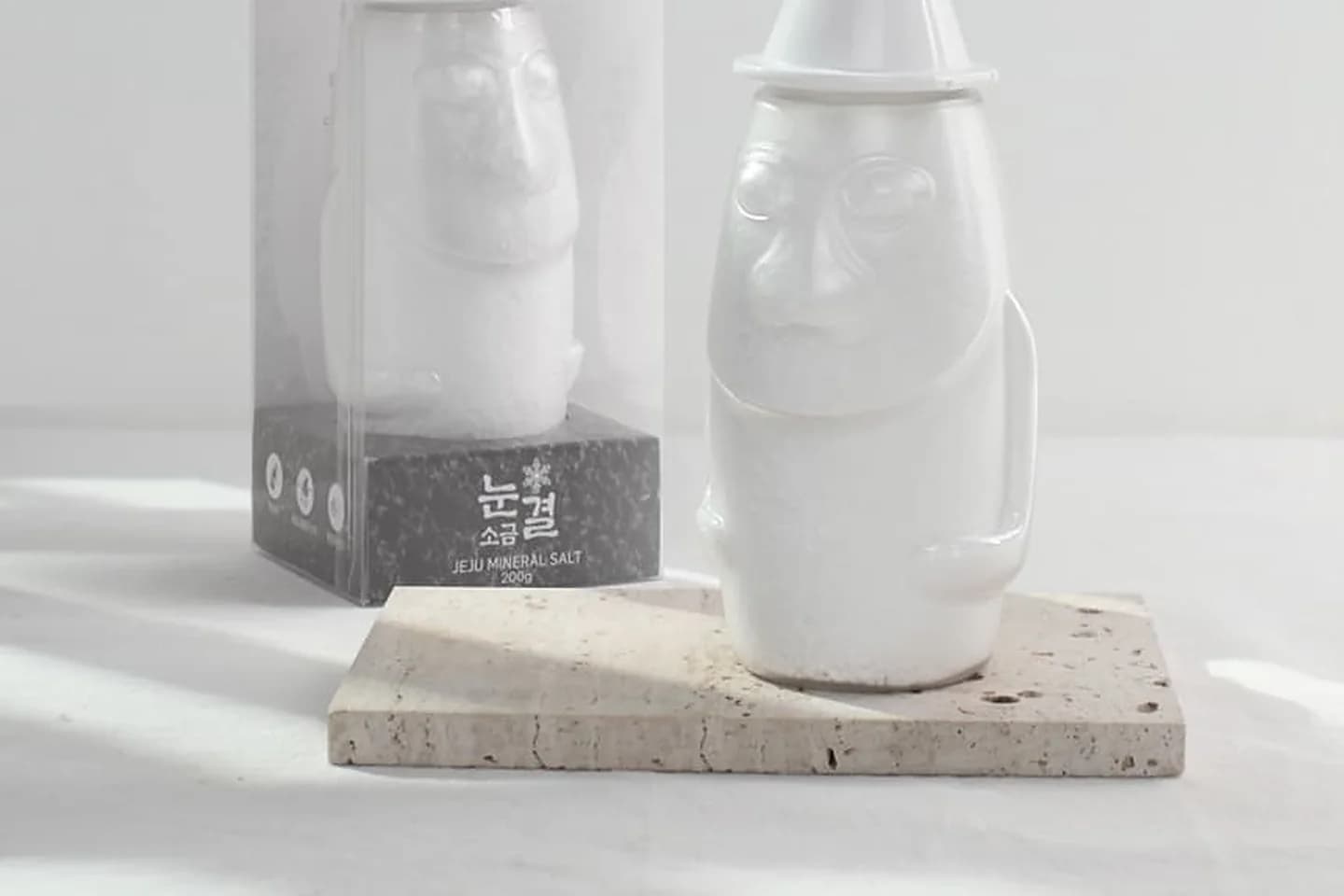
We also look at what has come into contact with the raw material
We use ‘제주용암해수 100%’ (100% Jeju lava seawater) as the raw material. We hold test reports for microplastics and heavy metals.
Seawater is naturally filtered as it passes through basalt. We use underground lava seawater separated from farmland as the raw material. We use underground lava seawater separated from surface seawater.
We have also measured taste
The differences in taste arise from the raw material and process, rather than simply being a sensory impression. Electronic tongue testing scientifically analyzes saltiness, umami and other tastes numerically using sensors that mimic human taste.
The saltiness is non-irritating, giving a milder, cleaner taste than other companies' products. Umami readings are high, enabling a deep taste that brings out food's flavor.
What to check on the back
Our salt's ingredient and content declaration is ‘제주용암해수 100%’ (100% Jeju lava seawater). Its origin is domestic (Jeju, Korea), and its food category is ‘other salt’. We cannot yet provide figures for the amount of each component. To find out the raw material of the salt you are choosing, start with the ingredient name on the back of its packaging.