Ingredients·Written 2026-08-23
Are lava seawater and saline groundwater different ingredients?
Our salt description says “lava seawater,” while the ingredient introduction uses “saline groundwater.” This may sound as though we use different water. When describing our ingredient, we write the two together as “saline groundwater (lava seawater).” We are not describing a change of ingredient for the same product.
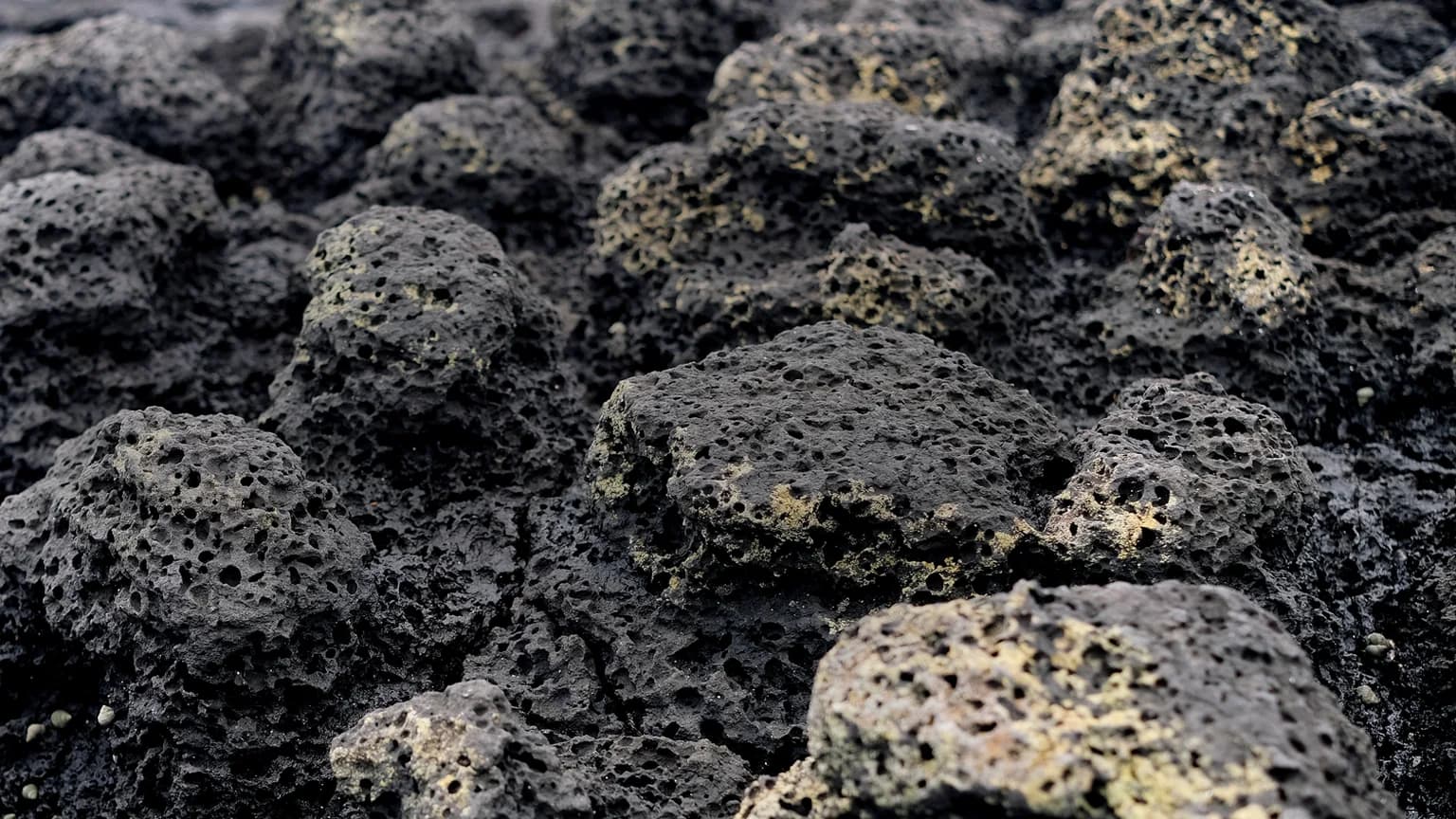
The water we use
Jeju seawater is naturally filtered as it passes through basalt layers. This water, naturally filtered through the basalt of the volcanic island of Jeju, is saline groundwater, or lava seawater. Instead of using seawater directly, we use 100% saline groundwater (lava seawater) as our raw material.
It is an underground water resource that basalt layers have separated from the surface environment for tens of thousands of years.
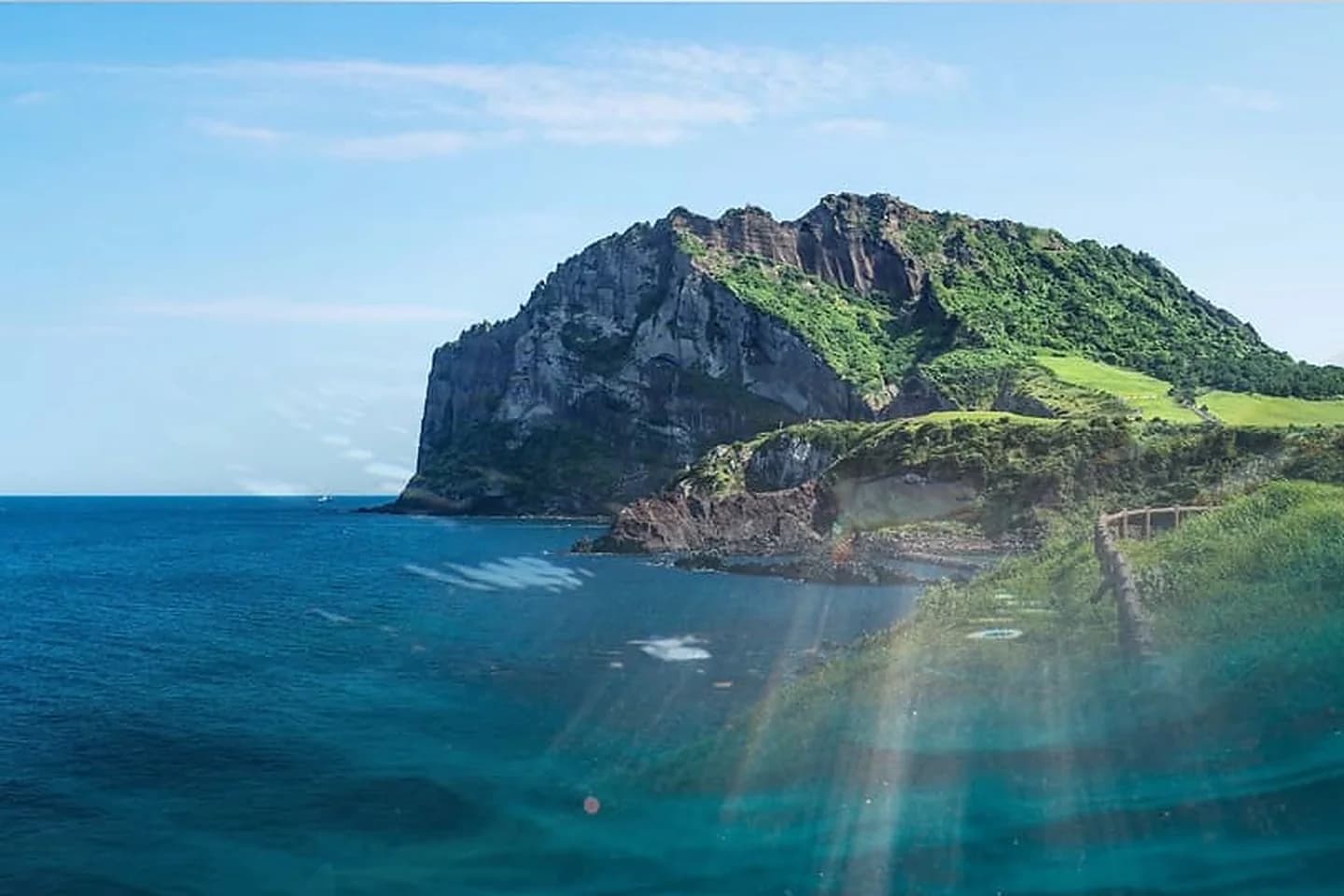
Why we put lava seawater in parentheses
“Saline groundwater” refers to groundwater containing salt, while “lava seawater” describes how that water formed in Jeju. In our ingredient description, we connect the name lava seawater, which customers may know, with the term saline groundwater.
The two names appearing together do not mean two unrelated ingredients. What we can explain here is how the two names connect in our own product’s ingredient description.
Does a different name mean a different salt?
A name alone cannot establish differences in salt quality or composition. Lava seawater describes the water’s path and how it formed. The finished product’s label identifies its ingredients and origin.
Our salt’s ingredient and amount declaration reads “제주용암해수 100%,” meaning 100% Jeju lava seawater. Its origin is listed as “국내산(제주도),” meaning produced in Korea (Jeju Island). When you see “염지하수(용암해수)” in the ingredient description, think of that water passing through Jeju’s rock layers into the ground.