Ingredients·Written 2026-08-23
Lava seawater: seawater beneath Jeju's ground
Seawater passes through Jeju's rock layers and enters the ground. The water naturally filtered along that path is called lava seawater. We use this water to make our salt. It has taken a different path from water drawn directly from the sea.
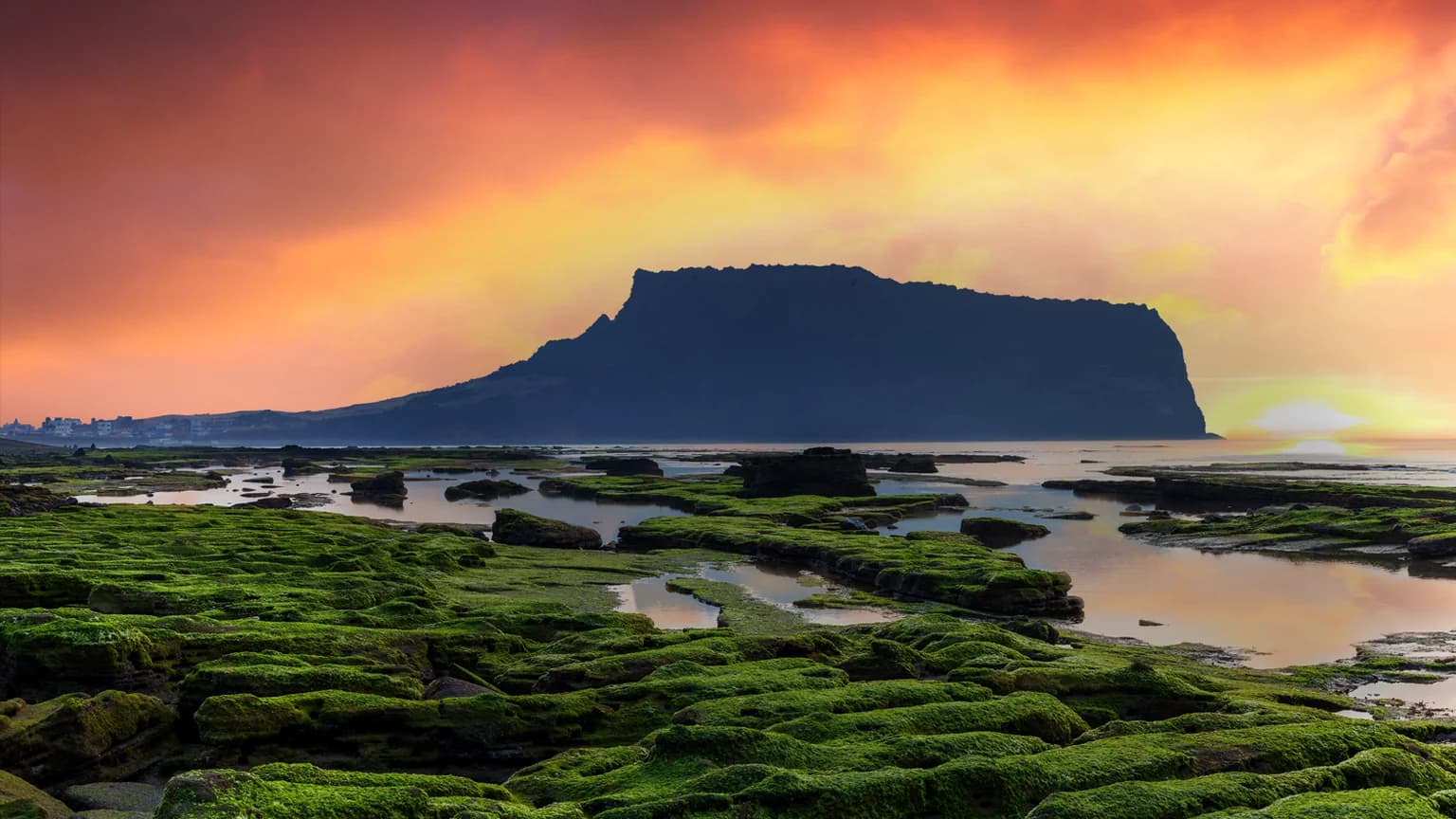
Our salt made from lava seawater, introduced on YTN
Jeju Mineral Salt was featured on YTN Science's program 「함께 뛰는 대한민국」. You can watch the broadcast on YTN Science's official YouTube channel.
The lava seawater used to make our salt is groundwater formed as Jeju seawater passes through basalt and is naturally filtered. We use this saline groundwater as our salt's raw material instead of using seawater directly. The powdered salt's ingredient and content label reads ‘제주용암해수 100%’ (100% Jeju lava seawater).
Lava seawater contains minerals and nutrient salts. The description of the water's source and the ingredient name printed on the product show how that water becomes our salt.
We concentrate the raw water we draw, then spray it finely to form salt crystals. Drying, selection and packaging follow. Our page on the salt-making process explains the flow of these steps.
Does the water contain lava?
Although the name includes lava, it does not mean lava is mixed into the water. Lava seawater is seawater from Jeju, a UNESCO World Natural Heritage site, that is naturally filtered through basalt and seeps underground on land. Basalt is the Jeju rock through which that filtering takes place.
Because it is underground, this water is not exposed to the outside environment in the way ordinary seawater is. When describing a raw material, where the water remains matters as well as where it comes from.
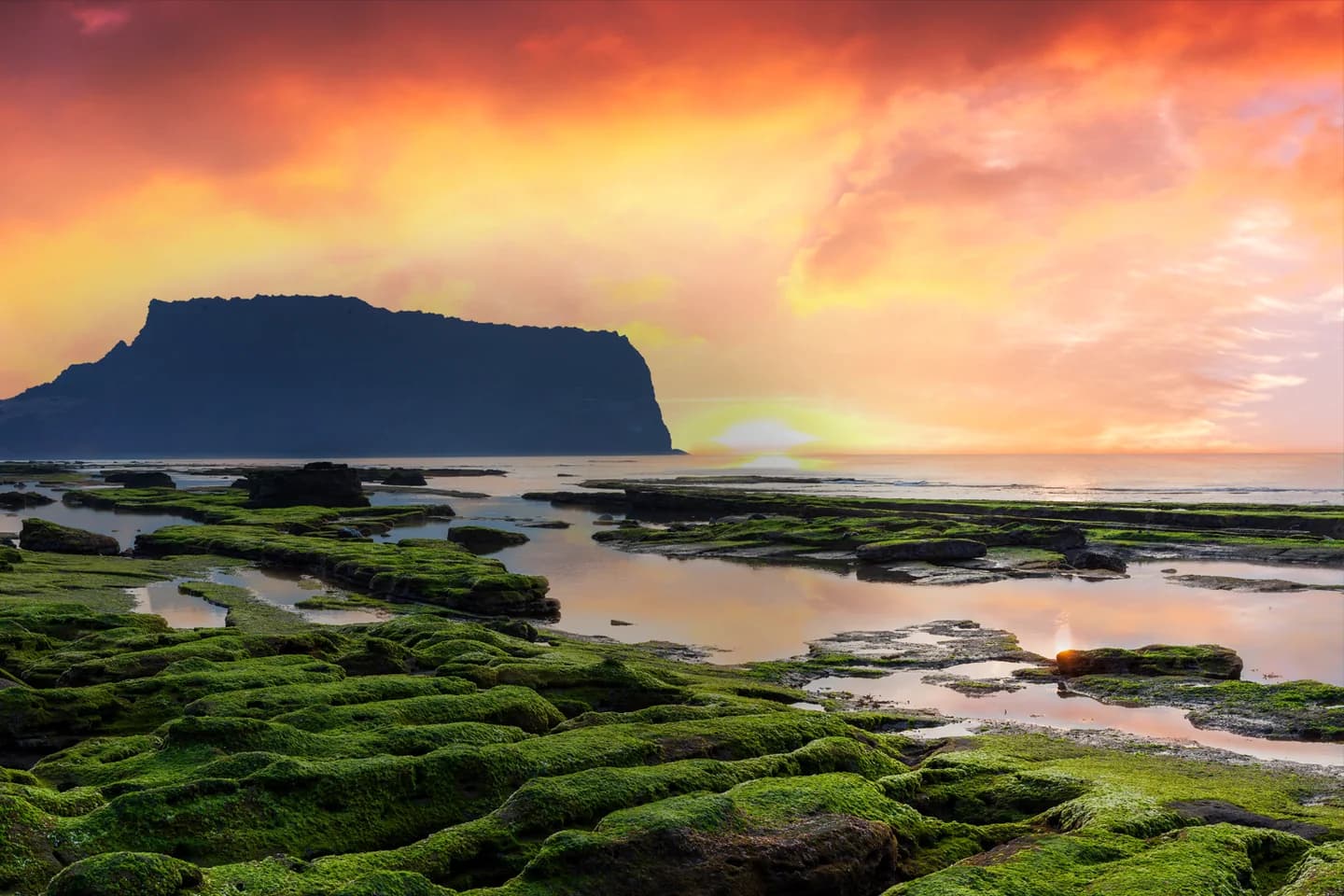
What is in the water?
Lava seawater contains minerals and nutrient salts.
We cannot yet give figures for the amount of each component. Knowing which components were found in the water does not by itself tell us how much is in a container of salt.
What are the water's advantages?
We look at this water's properties in four categories. Safety means that daily and seasonal fluctuations and changes in physical properties are small, allowing continuous, stable development of the resource.
We draw and concentrate this water, obtain salt crystals, then dry, select and package them.