JEJU SALT · ABOUT THE SALT
Does all salt come
from the same source?
Even the same type of salt can vary in taste and quality depending on where and under what conditions it is made.
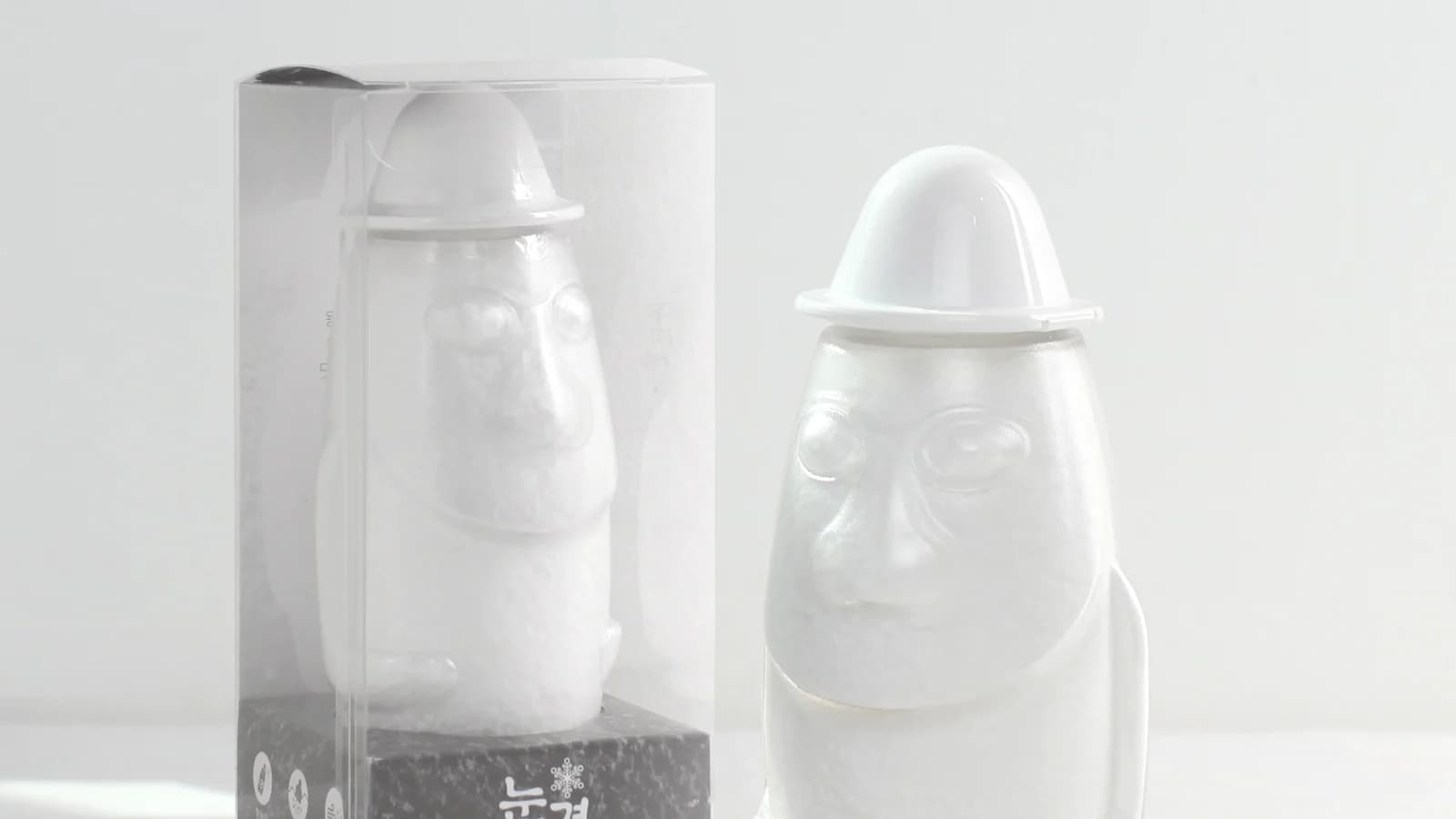
RAW MATERIAL
Saline groundwater, naturally filtered through Jeju’s volcanic basalt layers
Our salt is not made directly from seawater. Saline groundwater, also known as lava seawater, makes up 100% of our raw material. Test reports identify the particular samples and substances examined.
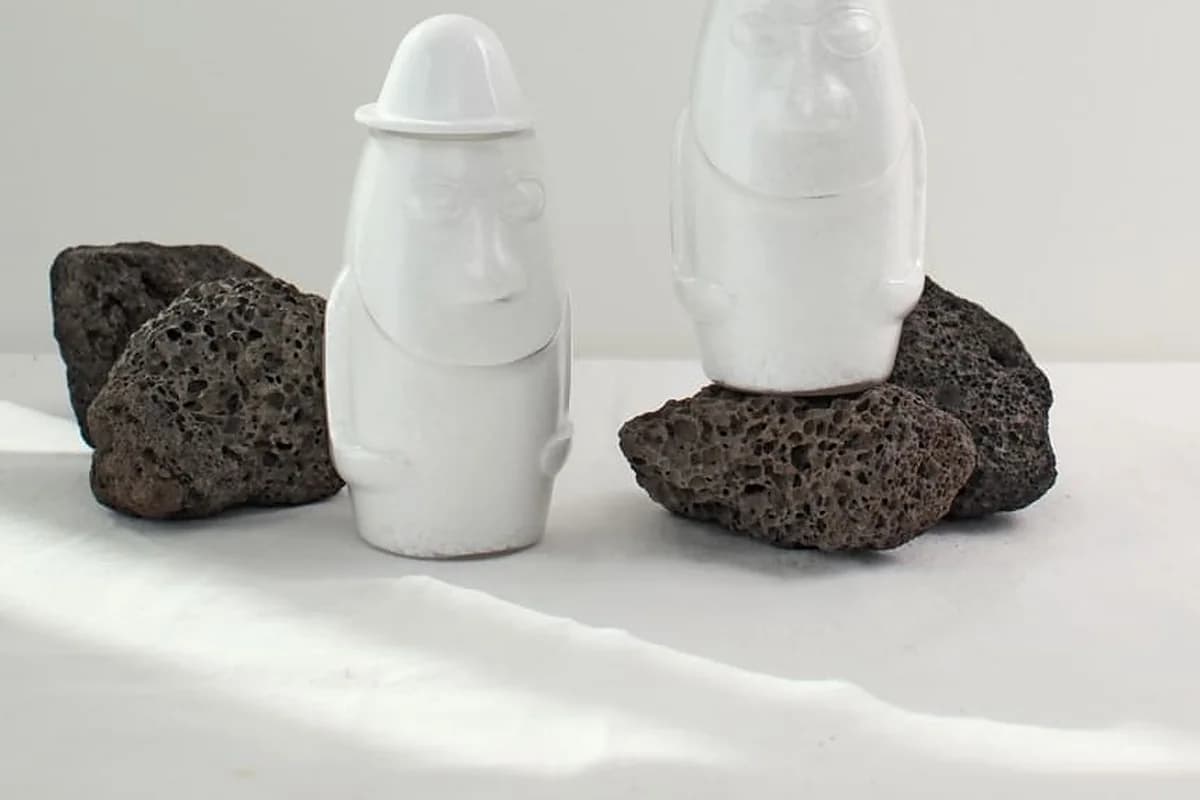
SEPARATION
A natural barrier of basalt
Jeju’s volcanic rock layers separate saline groundwater from the surface environment. The test reports below describe the samples and items tested.
What makes our salt different?
- Our source
100% Jeju lava seawater
- Our process
Temperature-controlled concentration and crystallization
- Our taste
Explore the electronic-tongue comparison below
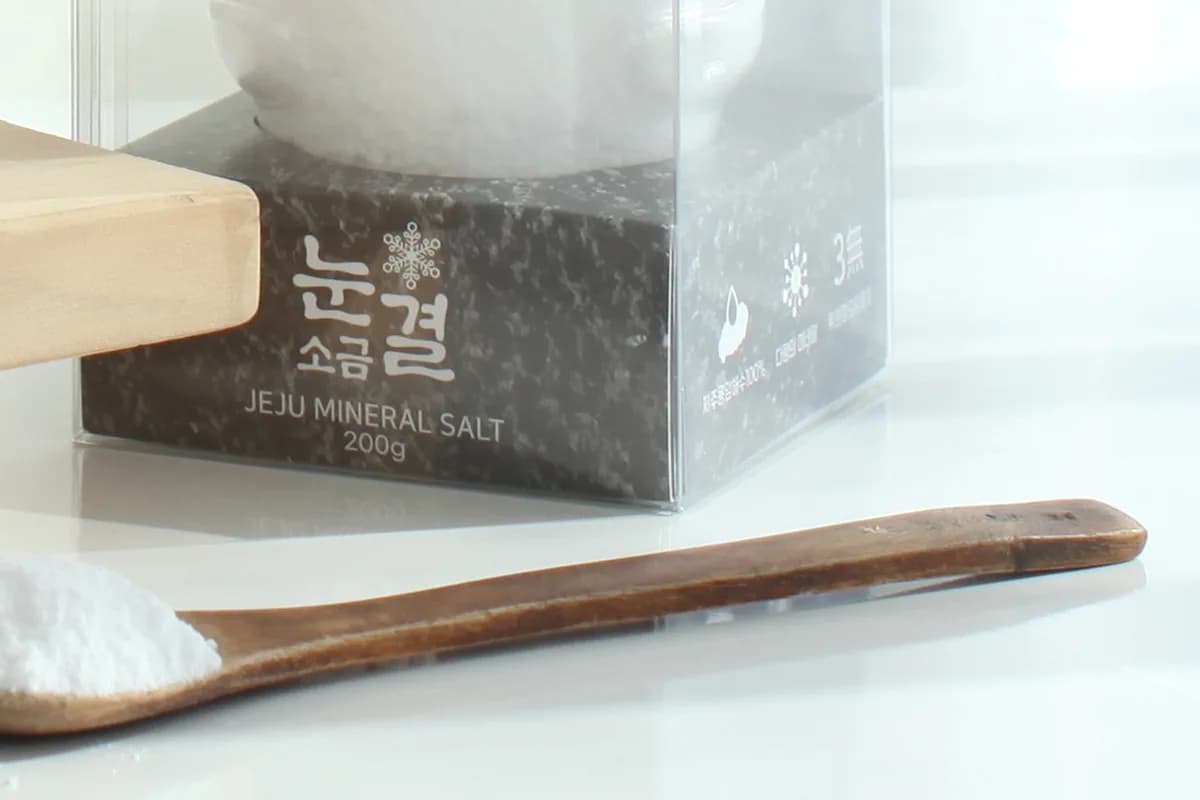
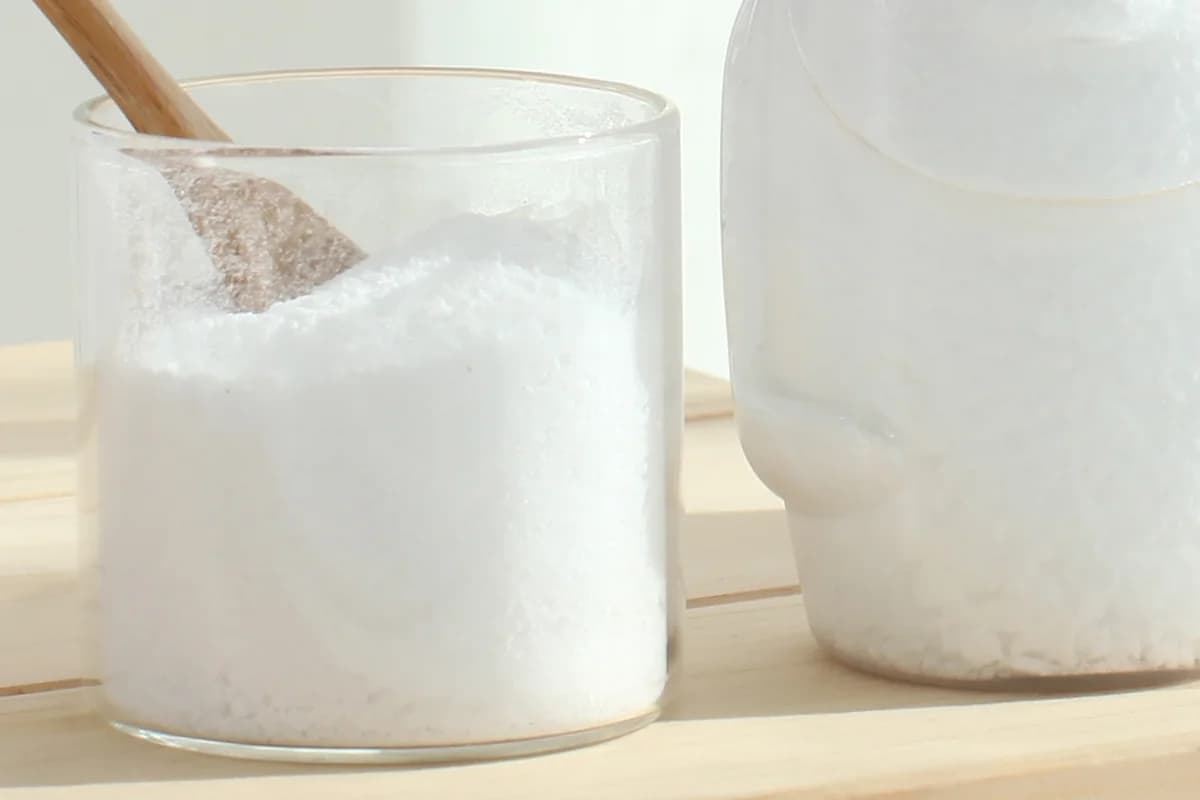
COMPARISON
How our salt is different
The difference starts with how it is made. The methods below describe salt types; the test reports identify results for specific samples.
| Salt | How it is made | Key features |
|---|---|---|
| Solar salt | Dried by sun and wind | Produced by evaporating seawater in salt pans |
| Refined salt | Refining and processing | Composition depends on the refining process |
| JEJU MINERAL SALT | Brackish groundwater processed by our patented method | Made from Jeju lava seawater by concentration and crystallization |
| Roasted bamboo salt | Heated above 1,000 °C | A heat-treated salt; composition depends on the product and process |
| Himalayan salt | Mined rock salt | Rock salt; composition depends on the deposit and product |
You can scroll the table sideways.
A difference in flavor. Measured by sensors.
The electronic-tongue comparison shows the taste profiles of the samples tested.
An electronic tongue uses sensors that mimic aspects of human taste to measure saltiness, umami and other flavor characteristics.
Saltiness
Compare the saltiness readings for the tested samples in the chart.
Umami
Compare the umami readings for the tested samples in the chart.
| Salt | Saltiness | Umami |
|---|---|---|
| JEJU MINERAL SALT | Approx. 4 | Approx. 7.5 |
| Deep-sea salt | Approx. 8.5 | Approx. 5 |
| Solar salt | Approx. 6.5 | Approx. 6.5 |
| Okinawa salt | Approx. 5.5 | Approx. 5 |
OUR SOURCE & TEST REPORTS
What was tested, and where to find it
Jeju lava seawater makes up 100% of our salt’s raw material. The reports distinguish source-water testing from testing on salt samples.
Source-water microplastics test
The report commissioned by Jeju Technopark concerns the lava seawater used as our raw material.
Pesticide residues
The supplied 2026 quality reports cover specified test items; pesticide residues are not listed among them.
Radioactivity test reports
The document collection includes radioactivity test reports for specific salt samples, with the tested items and results shown in each report.
Underground source
Our raw material is saline groundwater drawn from beneath Jeju’s volcanic rock layers.
Lead and cadmium tests
The July 7 and October 7, 2026 self-quality inspection reports record lead and cadmium as not detected in the salt samples tested. View the reports in Certifications.
Read next
There is more of this story in Salt Stories.